• You're one step from joining Foraging Forum – Wild Edible Plants, Mushroom Hunting & Survival Skills.
    Create a free account to post, follow threads, and never miss an update.  Sign up free →

Are Sassafrass Berries Edible?

Joined
Aug 20, 2025
Messages
15
Sassfrass has edible roots used to make Rootbeer teas & Edible Tender Greens + techically the flowers are also edible.
But are the fruits potentially edible? Has anyone tried these? Is it only the pulp/skin that's edible or can I eat it with the seed?
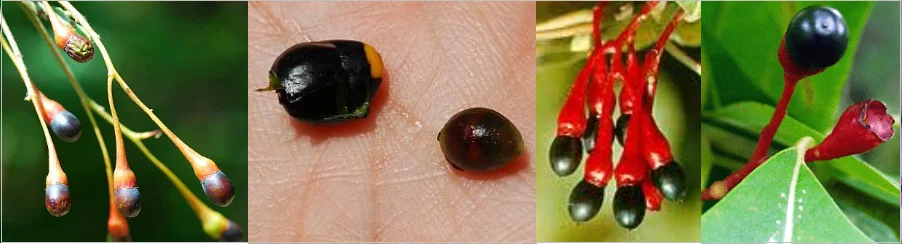
1755739169599.webp
 
Sassafras albidum is a fascinating plant, and you clearly know a lot about how people have used its roots and leaves. As for the fruit, most foragers today recommend not eating it. The berries contain safrole, which can harm the liver and isn't safe for us to eat. Birds rely on these berries for energy before they migrate, but our bodies can't process them the same way.
 
I see, I've heard people say Sassafrass berries are narcotic (Or used to create heroin) but I thought that was just a rumor (Or which part, the seed or the skin/thin fruit pulp around the seed). If they contain safrole (Which part, skin or seed contains safrole?), does that make them no more toxic than the roots which also contain safrole? Or is safrole rendered not toxic after boiling?

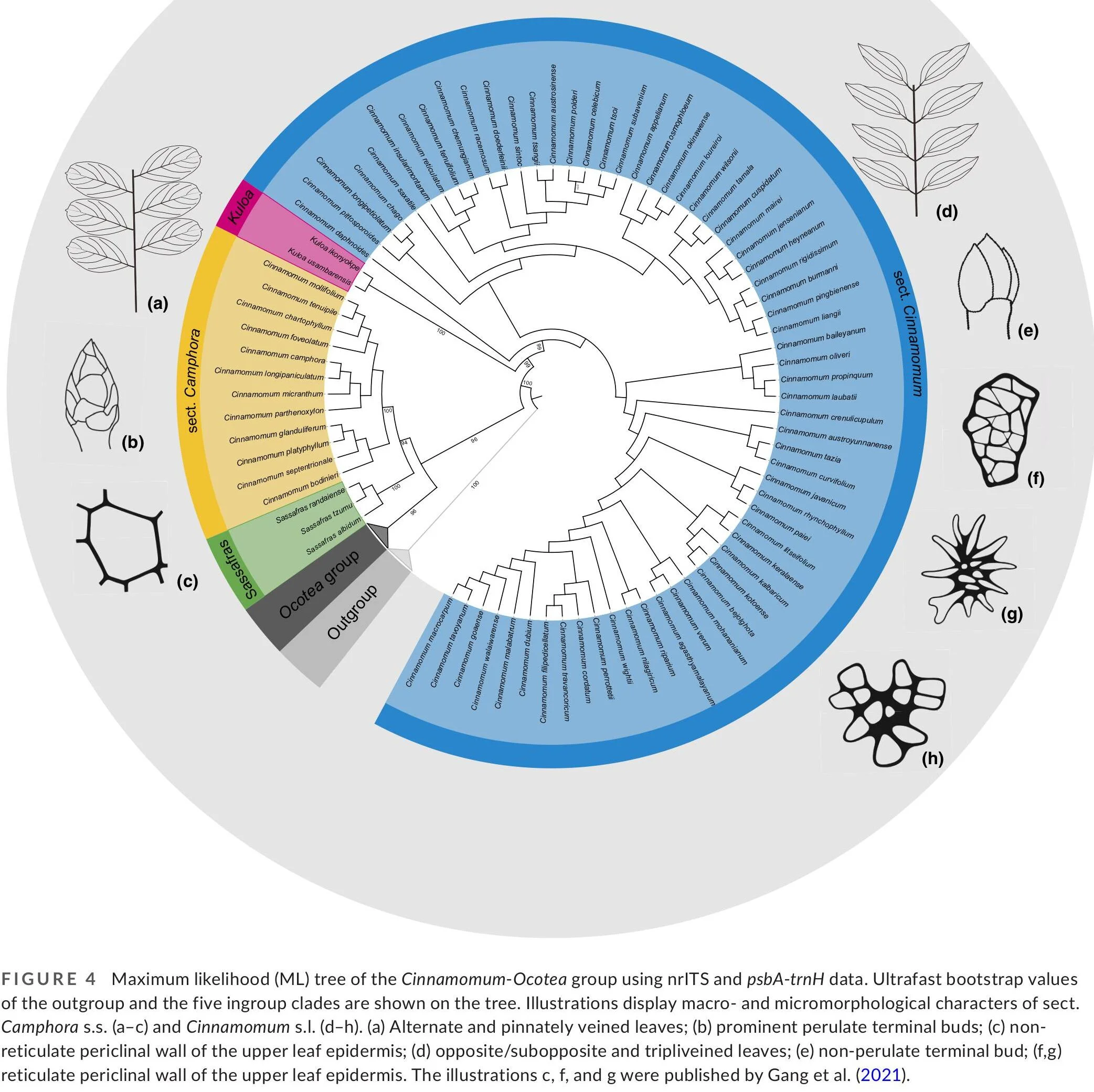
I just wonder why Spicebush Berries (Lindera benzoin) are edible but Sassafrass (Sassafras albidum) berries aren't? and by that extention are Cinnamon Berries also edible or not? Both Cinnamon & Sassafrass along with Camphor all belong to the same Cinnamomeae tribe within the same family Lauraceae. See this phylogenic tree.
1756381984691.webp


Also can we eat Sassafrass bark like Cinnamon? Both same tribe with Sassafrass being the cinnamon of the north.
 
Excellent follow up questions. Safrole is a regulated precursor chemical for MDMA and remains toxic after boiling. It occurs in all parts of the plant. Comparing Sassafras to Spicebush reveals that being in the same plant family doesn't guarantee edibility, as chemical properties differ. While cinnamon berries are used as a spice, sassafras bark isn't considered safe for consumption. It's smart to analyze botanical relationships and ask safety questions before trying a new plant.
 
I've done some reading on sassafras because I love making root beer style teas from the roots. My understanding is that safrole is present in the bark, leaves and fruit, and it's been shown to be a carcinogen in high doses. That's why commercial root beer no longer uses real sassafras oil. Birds love the berries, but humans generally avoid them. If you're looking for a spice from the Lauraceae family that's safe to experiment with, spicebush berries or even the dried leaves are a nice alternative, but I steer clear of sassafras fruit and bark beyond making occasional tea.
 
Safrole is a regulated precursor chemical for MDMA and remains toxic after boiling.
Oh no... but this is very good to know! Since Sassafrass roots are boiled, we are getting this toxin but it's not very effective at toxining us because...??? Is it a combination of factors, such as toxicity in humans is different from the lab mice they were tested on & that traditional use of sassfrass root beer is safe in reasonoable quanities or are our livers just good a filtering it out?

That's why commercial root beer no longer uses real sassafras oil.
Hmm... maybe the problem is with making it into an oil? Oils are just the concentrated form of it, this also means the toxin is unintentionally concentrated too no? How are they making sassfrass oil actually? The berries aren't that oily?

If you're looking for a spice from the Lauraceae family that's safe to experiment with, spicebush berries
Spicebush berries being edible & delicious is what got me interested in the potential edibility of Sassafrass berries too (Especially if Cinnamon Berries are used as a spice)! However Spicebush leaves aren't as edible as sassafrass leaves, I can eat a bunch of sassafrass leaves but not the same for spicebush (Due to the off taste).
 
Back
Top